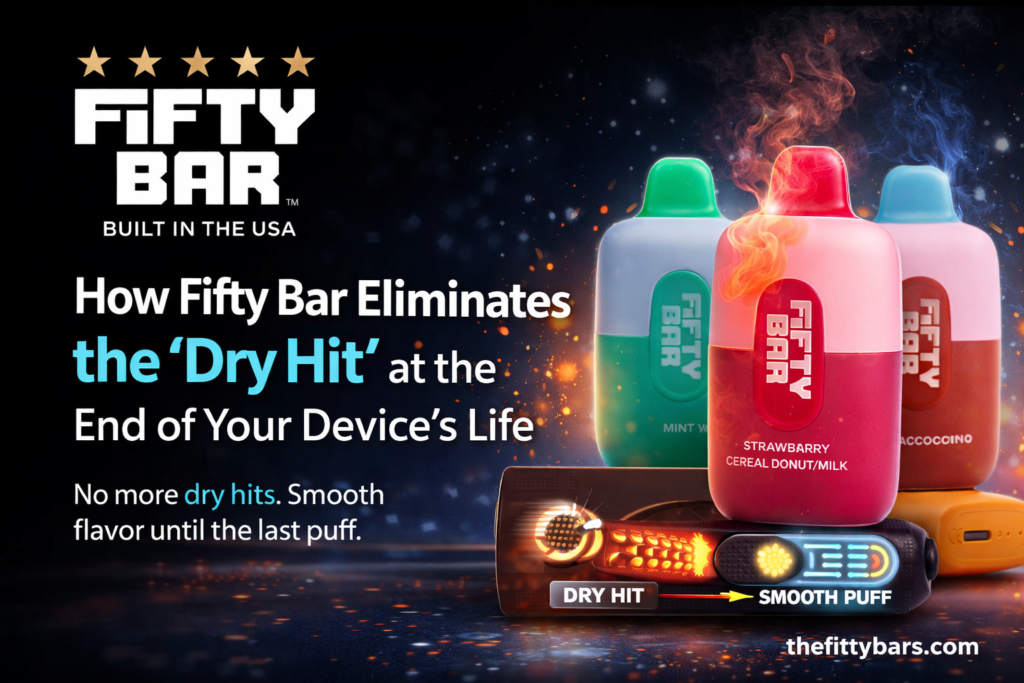
Vapers often talk about flavor, battery life, and ease of use, but one issue tends to show up near the end of a device’s life: the dry hit. That harsh, burnt taste can ruin the last few sessions and leave users frustrated. Understanding why it happens and how it can be reduced helps people make better choices and enjoy a more consistent experience.
In conversations around disposable devices, the fifty bar vape is often mentioned because of how it manages performance from the first puff to the last. Rather than focusing only on strong flavor at the start, the design pays attention to what happens as e-liquid and battery power slowly run down. That approach plays a big role in reducing dry hits near the end.
A dry hit happens when the heating element inside a vape device heats up without enough e-liquid reaching the coil. The coil relies on a soaked wick to vaporize liquid evenly. When that wick dries out, the coil burns it instead of vaporizing liquid, creating an unpleasant taste.
This issue often shows up late in a device’s life because the liquid level is low or the battery can no longer deliver steady power. In many devices, these two factors are not well balanced. As the battery weakens, it may still heat the coil unevenly, which increases the chance of burning the wick.
The final phase of a disposable vape is where design choices matter most. Early on, most devices work well because everything is fresh. As time passes, small weaknesses show up. Liquid moves more slowly through the wick, and power output can fluctuate.
A well-designed device plans for this stage. It assumes that users will keep vaping until the liquid is nearly gone. When airflow, wick placement, and power output are built with this in mind, the last puffs can feel closer to the first ones. This reduces waste and makes the overall experience more reliable.
One key factor in avoiding dry hits is how power is delivered to the coil. If the coil receives too much power when liquid levels are low, the wick cannot keep up. Balanced power control helps prevent this situation.
Information shared on the fifty bar vape website explains that stable power output is part of the device’s design focus. By keeping the heating process even and controlled, the coil is less likely to overheat the wick. This balance allows users to finish the device without sudden drops in quality.
Another important element is how e-liquid moves inside the device. The wick must stay in contact with liquid, even when only a small amount remains. Poor wick placement or low-quality materials can cause dry spots.
Effective wicking systems are designed to draw liquid from multiple directions, not just one. This helps ensure that the coil stays wet longer. When combined with proper airflow, this setup supports smoother draws and reduces the risk of harsh hits near the end.

While device design matters, user habits also play a role. Even a well-built vape can produce dry hits if it is used incorrectly. Simple practices can make a noticeable difference:
These habits work alongside the device’s design to extend consistent performance and reduce irritation.
For many users, flavor is the main reason they choose one device over another. Keeping that flavor steady until the end is challenging but important. When dry hits are minimized, flavors remain closer to what users expect, even late in the device’s life.
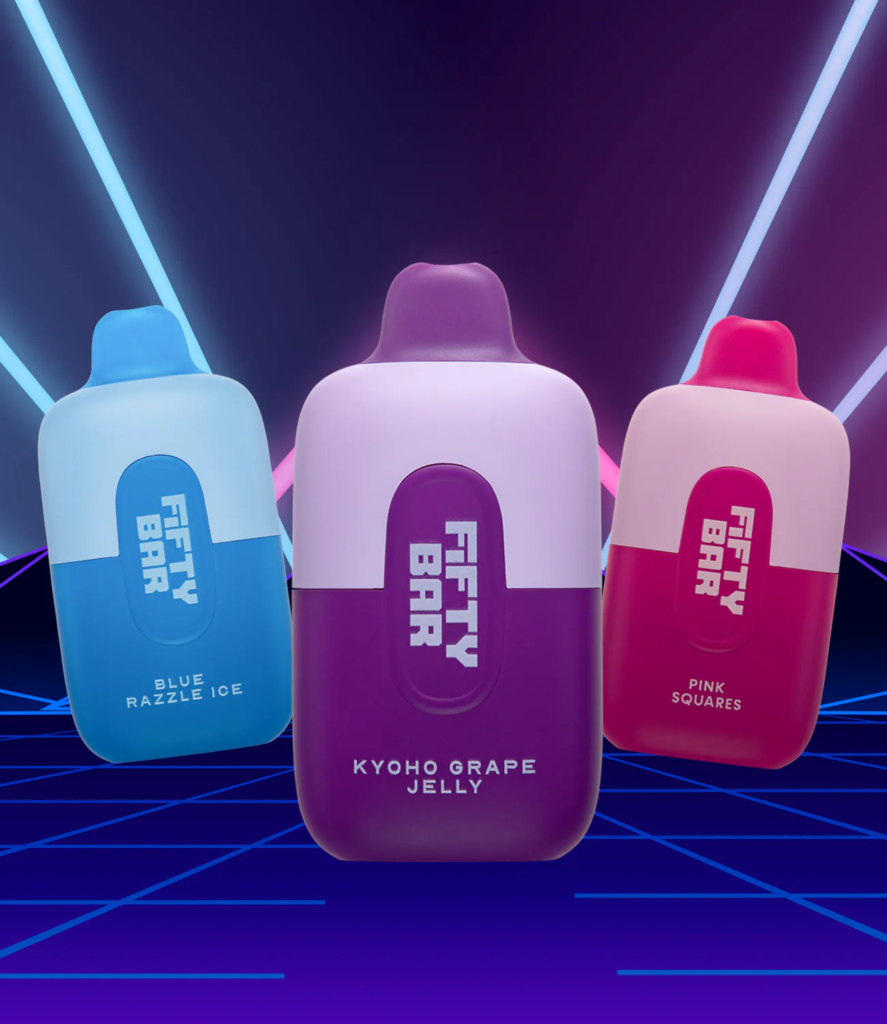
This is where fifty bar vape flavors often come up in discussions among vapers. Consistent delivery means the final puffs still reflect the intended taste, rather than a burnt aftertaste. That consistency helps users feel they are getting full value from the device and ends the experience on a positive note.
By focusing on power balance, wicking design, and realistic use patterns, devices like these aim to make dry hits less common. For vapers, that means fewer unpleasant surprises and a smoother finish from start to end.